No emergencies announce themselves; they are unforeseen, and they usually come at the most unexpected times. Fire Watch Guards provide the first wave of defense in these times of crisis, caught between disorder and order. In case a fire alarm system has not worked, a construction site is on fire, or there is a malfunction in an industrial facility, these trained experts make sure that nobody loses their lives, and properties are not damaged.
Early Detection and Monitoring.
Constant surveillance is one of the most important roles of Fire Watch Guards. Every second matters in the face of an emergency, and timely detection could spell the difference between control and catastrophe. Patrol guards monitor hot spots, checking for smoke, heat, or suspicious movement that can indicate a fire breakout.
Human guards, unlike automated systems, can pick up on small cues that machines might overlook, such as the odor of wiring overheating or a spark of fire in challenging-to-access locations. They are very vigilant in making sure that possible threats are contained before they overtake. If you are curious to know more about it Click me.
Incident and Response Management.
Fire Watch Guards are swift when a fire or any other emergency is detected. They adhere to pre-determined emergency plans, such as:
Switching on alarms and notifying occupants.
Calling emergency services
Escorting individuals to safe evacuation paths.
If safe, use firefighting equipment such as extinguishers to contain small fires.
Their decisiveness and calmness at crucial moments are essential in reducing casualties, damage, and panic during an emergency.
Communication and Coordination
There should be clarity in fire emergencies. Guards are the key point of contact between the occupants of the building, management, and first responders. They communicate precise information about the event, such as the position of the fire, possible threats, and the population encircling zones.
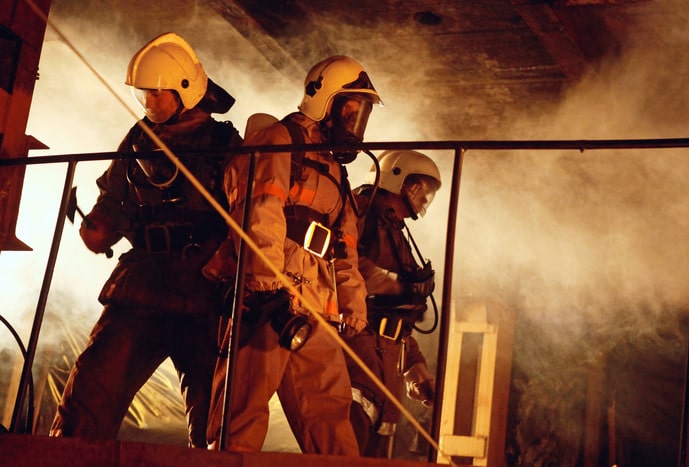
This organization enables emergency workers to respond effectively, and it guarantees that resources are distributed appropriately and that nobody is left behind in evacuation.
Documentation and Reporting..
Once the immediate danger is controlled, Fire Watch Guards are expected to write up the incident. Compliance with local fire codes, insurance needs, and analysis of the incident will require details of the incident, efforts, and hazards witnessed.
These records do not just prove regulatory adherence but also offer useful information on how a better approach to future safety could be executed.
Post-Emergency Preventive Oversight.
The guards still observe the area even when an emergency has been put under control, and secondary hazards may occur, including reignition or electrical issues. They are there to make sure that when the crisis has been subdued, they maintain safety until they have full recovered their systems or the professional fire crews finish checking them.
Conclusion: Guardians When Every Second Matters.
Fire Watch Guards are much more than mere observers- they are proactive, trained personnel who not only have to watch the situation but also be able to respond quickly, engage in communication and document the events. They are very essential in emergency situations so that fires are detected promptly, incidents are brought under control and occupants are not at risk.
Today, in the world where the fire can strike unexpectedly, and investing in competent fire watchers is not only the ethical duty out of regulation but also the value of lives and property protection. The most efficient fire watch guards do not simply respond to the emergency but eliminate the risks to transform them into disasters.