
Rice University Excellence in Higher Education
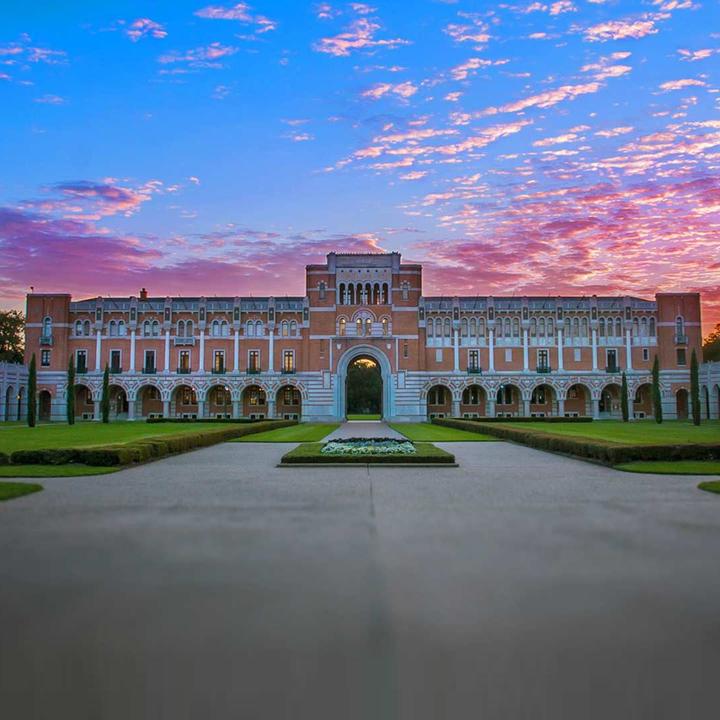
Rice University, based in Houston, Texas, is often celebrated as one of the most prestigious institutions of higher learning in the United States. Its reputation combines academic rigor, groundbreaking research, and a unique approach to undergraduate education. Founded in 1912 through the generosity of businessman William Marsh Rice, the university has grown into an internationally respected institution while maintaining a strong sense of community and collaboration. Today, Rice.edu serves as the digital gateway to this world-class university, reflecting its innovative spirit and commitment to education.
What makes Rice truly distinctive is not only its academic strength but also the culture it fosters among students and faculty. Unlike many large research universities, Rice balances intellectual ambition with an intimate and supportive campus environment. This balance allows students to pursue knowledge at the highest level without losing the close-knit connections that often define smaller colleges.
A Legacy of Innovation and Excellence
Rice University’s foundation rests on William Marsh Rice’s vision to create a top-tier institution for the advancement of letters, science, and art. Over the decades, the university has grown from a small regional school into a global leader in research and education. Its alumni and faculty include Nobel laureates, leaders in public policy, renowned scientists, and influential entrepreneurs.
The commitment to innovation is evident in Rice’s contributions to fields such as space science, nanotechnology, energy, and artificial intelligence. Located in Houston—the energy capital of the world and home to NASA’s Johnson Space Center—Rice has leveraged its geography to play a pivotal role in technological and scientific advancements. These partnerships have propelled the university’s influence far beyond its campus, shaping industries and global conversations.
The Residential College System
One of the most unique features of Rice University is its residential college system, modeled after Oxford and Cambridge. Each incoming undergraduate is randomly assigned to one of the eleven colleges, which become their primary community throughout their academic journey. These colleges are more than just housing—they are centers of student life, fostering social interaction, intellectual exchange, and leadership opportunities.
Students often describe their college as their “family” within Rice. Events, traditions, and competitions between colleges create a sense of belonging that lasts long after graduation. This system also ensures diversity within each college, mixing students from different backgrounds and disciplines, which encourages collaboration and cultural exchange.
Academic Strength Across Disciplines
Rice offers a wide range of programs across its eight schools: Architecture, Business, Continuing Studies, Engineering, Humanities, Music, Natural Sciences, and Social Sciences. Each school combines rigorous academics with research opportunities, ensuring that students graduate not only with theoretical knowledge but also with practical experience.
The George R. Brown School of Engineering and the Wiess School of Natural Sciences are particularly renowned for producing leaders in science, technology, and medicine. Rice engineers and scientists have played central roles in discoveries that impact energy, healthcare, and environmental sustainability. The Shepherd School of Music, meanwhile, is internationally recognized for its world-class performance programs and faculty.
Rice’s small student-to-faculty ratio—around 6 to 1—ensures personalized attention and mentorship, a rare feature in universities of similar caliber. This close interaction allows undergraduates to engage in research projects early in their academic journey, often co-authoring papers with faculty or presenting at international conferences.
A Commitment to Research and Discovery
Research is at the heart of Rice’s mission. The university invests heavily in interdisciplinary centers and institutes, bringing together experts from different fields to solve complex global challenges. The Baker Institute for Public Policy is one such example, providing nonpartisan research and thought leadership on issues ranging from energy policy to global health.
Rice’s facilities, including the BioScience Research Collaborative and the Oshman Engineering Design Kitchen, provide cutting-edge spaces where students and faculty can explore new ideas, prototype solutions, and push the boundaries of innovation. By engaging students directly in research, Rice prepares them to become problem-solvers and thought leaders in their chosen fields.
Diversity, Equity, and Inclusion
Rice has made significant strides in promoting diversity and inclusion within its academic and social environment. The university recognizes that excellence in education requires diverse perspectives and backgrounds. Programs and initiatives are in place to support underrepresented groups, create dialogue around equity, and ensure every student feels valued.
The Center for African and African American Studies, the Office of Multicultural Affairs, and numerous student-led organizations contribute to a vibrant campus culture where inclusivity is celebrated. Rice’s commitment to diversity also extends globally, with partnerships and exchange programs that connect students to communities around the world.
The Impact of Location: Houston Advantage
Rice’s location in Houston offers students unparalleled opportunities. As the fourth-largest city in the United States, Houston provides a dynamic environment for internships, research, and cultural experiences. The proximity to the Texas Medical Center—the largest medical complex in the world—opens doors for students interested in healthcare and biomedical research.
Houston’s multicultural population enriches Rice’s student experience, providing exposure to diverse perspectives, traditions, and cuisines. Moreover, the city’s thriving arts scene, professional sports, and economic opportunities make it an ideal backdrop for both academic and personal growth.
Preparing Students for the Future
Rice University emphasizes not only academic achievement but also leadership, ethics, and service. Through programs such as the Center for Civic Leadership, students are encouraged to apply their knowledge in ways that benefit society. Internships, global immersion experiences, and community engagement projects prepare graduates to tackle real-world challenges with creativity and responsibility.
The Rice Investment, a groundbreaking financial aid initiative, further demonstrates the university’s commitment to accessibility. This program ensures that students from middle- and low-income families can attend Rice without overwhelming financial burdens. By reducing economic barriers, the university attracts talented individuals who might otherwise be unable to pursue higher education at such a prestigious institution.
Alumni Making Global Impact
Rice alumni have made significant contributions across industries and continents. From pioneering researchers in nanotechnology to influential leaders in business and politics, Rice graduates carry forward the university’s values of excellence and innovation. Their achievements highlight the lifelong impact of a Rice education and its ability to prepare students for leadership roles in an interconnected world.
Conclusion
Rice University represents a model of higher education that combines rigorous academics, groundbreaking research, and a supportive community. Its residential college system, commitment to diversity, and emphasis on innovation set it apart from other institutions. By nurturing curiosity, fostering collaboration, and investing in the success of its students, Rice has built a legacy that continues to shape the future of education.